Reliable Supply, Protected Infrastructure, and Lower Operational Risk
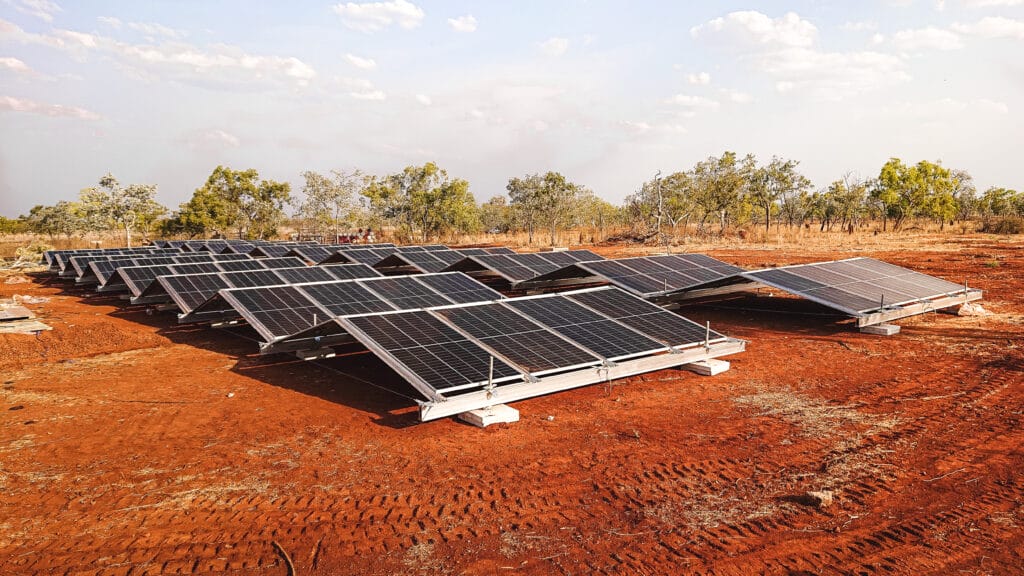
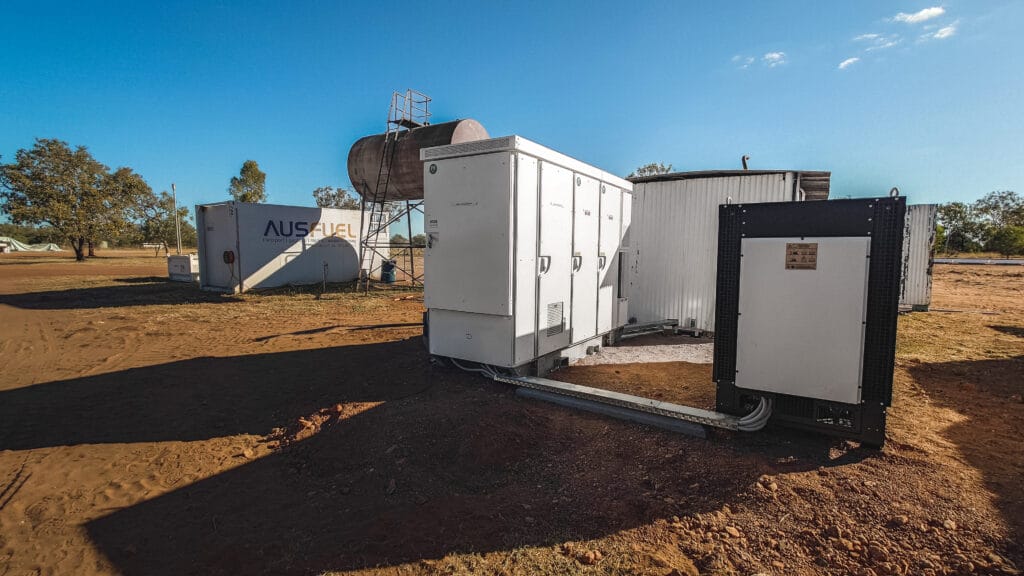
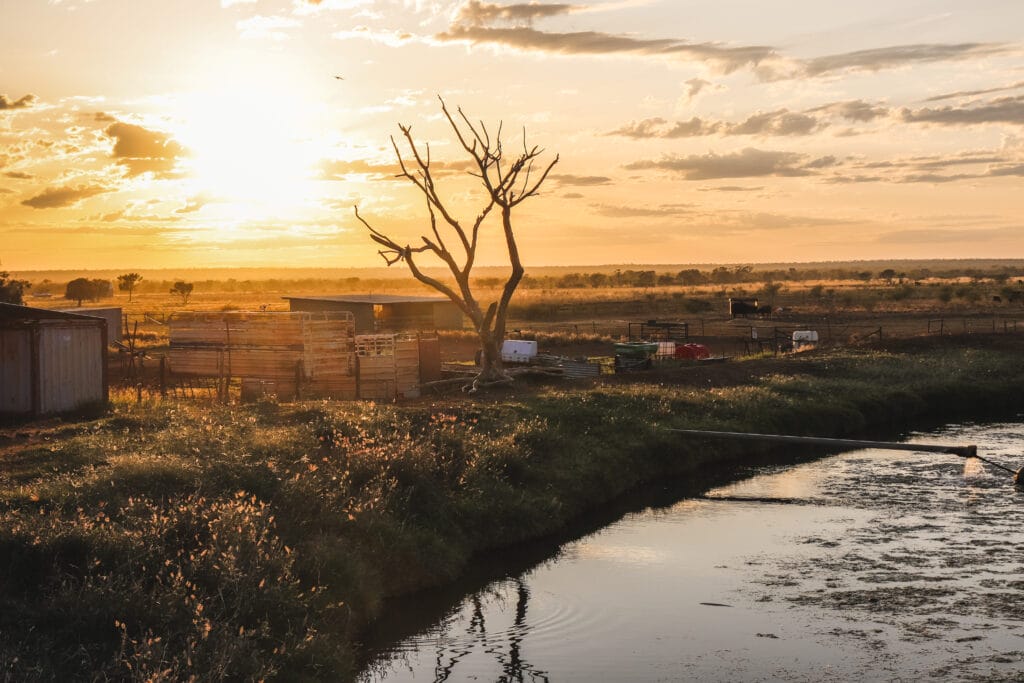
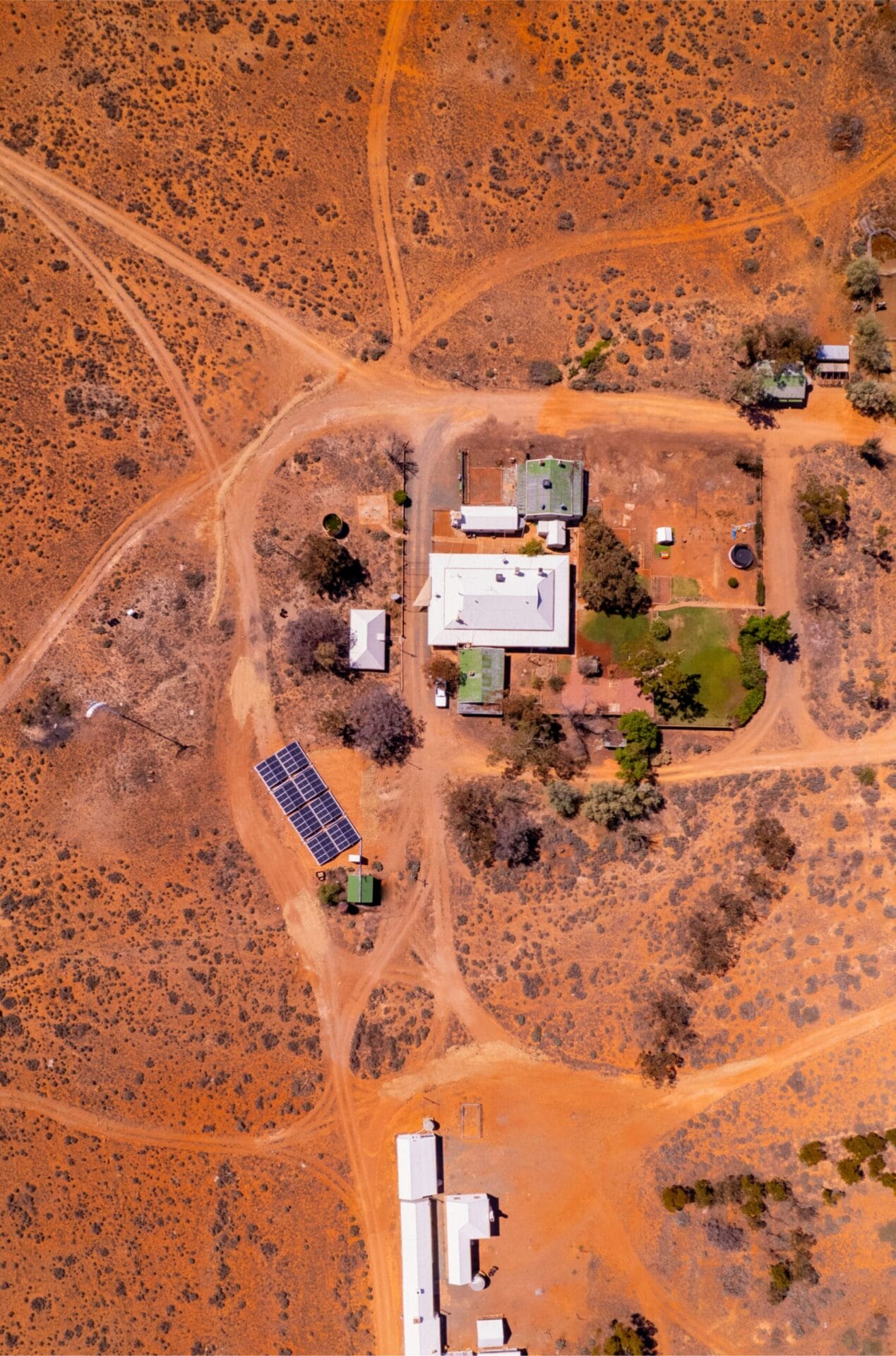
CD Power delivers integrated energy solutions for utilities and water infrastructure, combining battery energy storage systems (BESS), solar, and generator integration. Our systems provide reliable, cost-effective power to communities, mining sites, farms, and other remote locations, seamlessly integrating with microgrid, fringe-grid, and off-grid networks. Solutions are engineered for high-capacity variable loads, smooth transitions between energy sources, and compliance-bound environments, reducing maintenance overhead and operating costs under predictable commercial models. We offer outright purchase, partial lease, or full lease options, all backed by Australia-wide service, support, and lifecycle expertise. These solutions help utilities and water providers boost reliability, demonstrate environmental and social responsibility, and strengthen their reputation with regional customers.
Integrated AC/DC power solutions with solar, BESS, and generators for reliable, controlled energy.
Controls tuned to reduce runtime and protect utility assets
Remote monitoring and reporting for alarms, operational planning, and regulatory compliance.
Acoustic and safety features designed for public and regulated areas
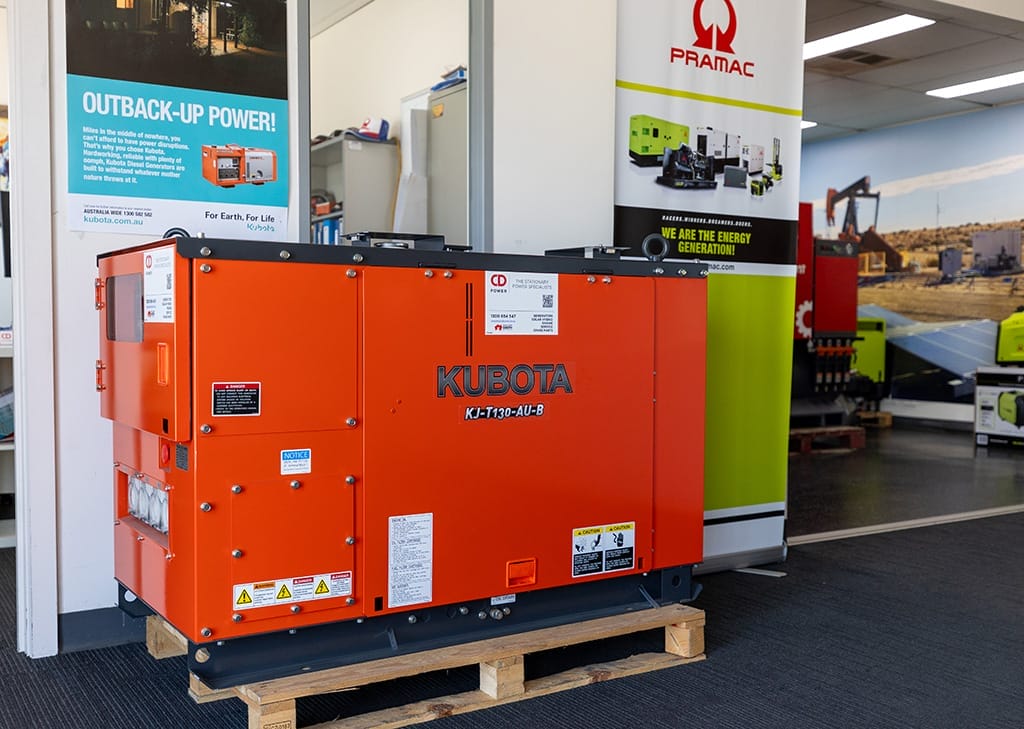
Leading range of globally proven generators, from 1kVA to 1500kVA both diesel and gas fuel. Available as readymade products. Alternatively, CD Power offers custom engineered generators tailored to your specific needs
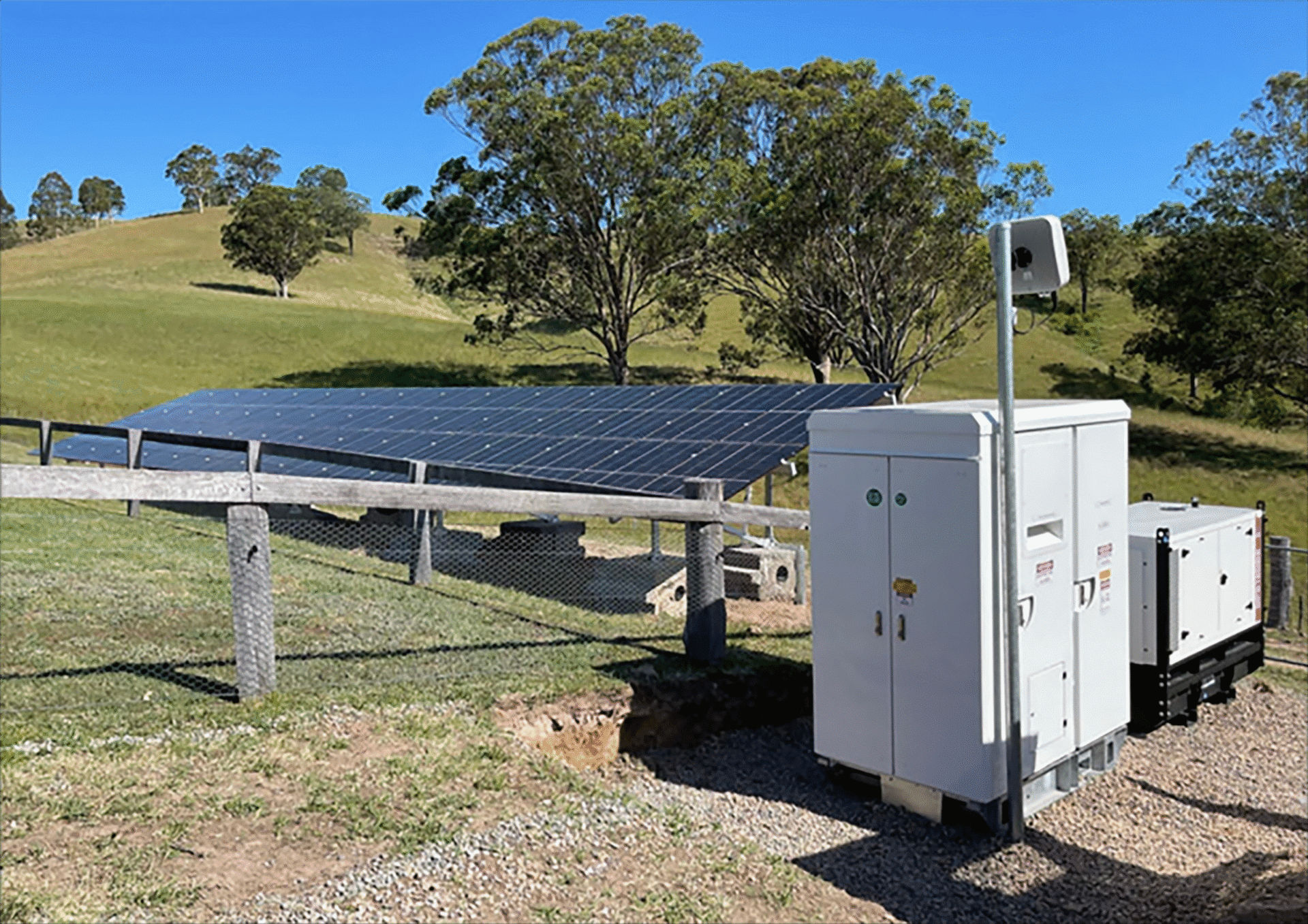
Large range of tailor made battery renewable and hybrid systems designed or custom engineered to deliver innovative and reliable independent power
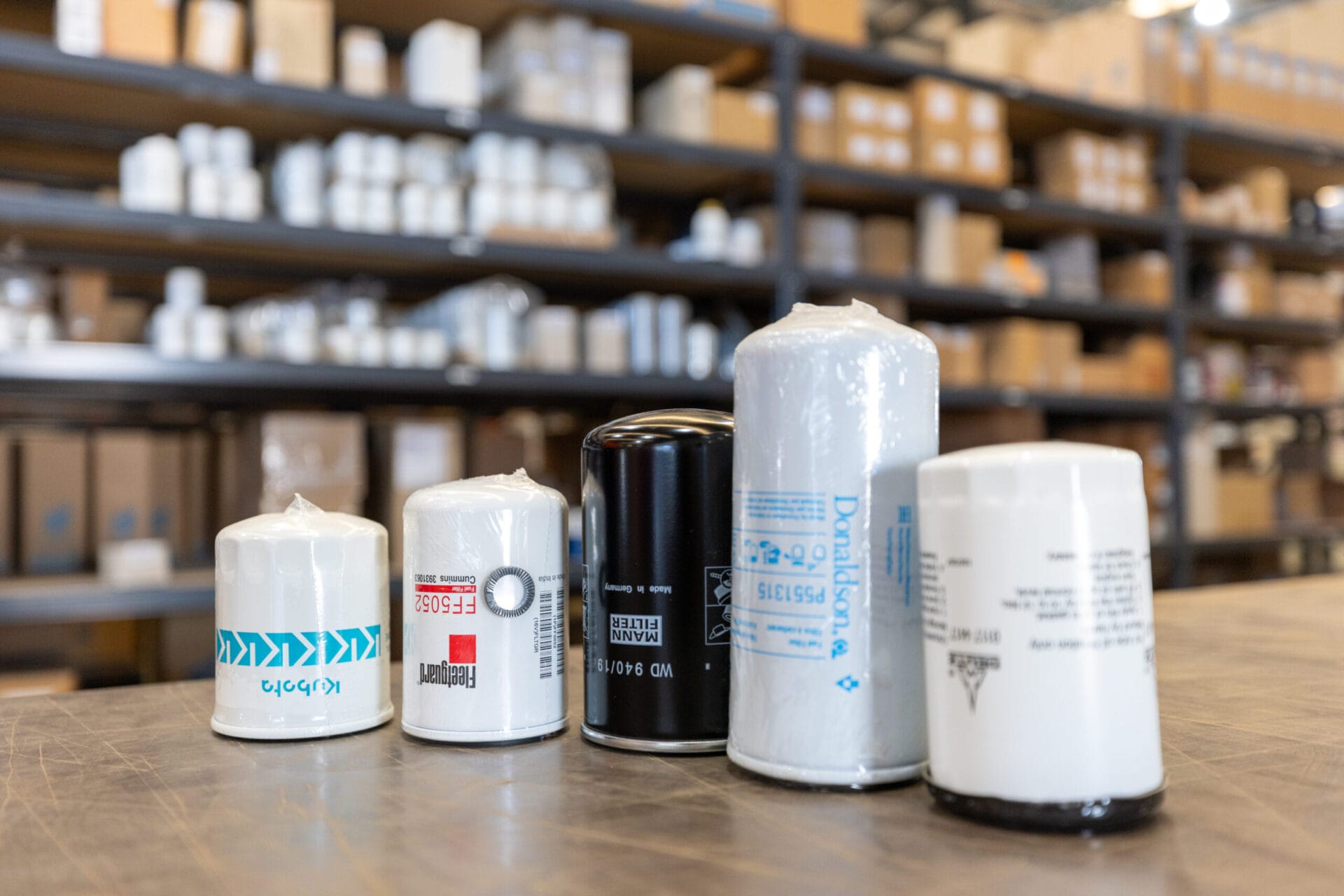
Huge range of spare parts for every make and model of engines, generators and battery system we sell.
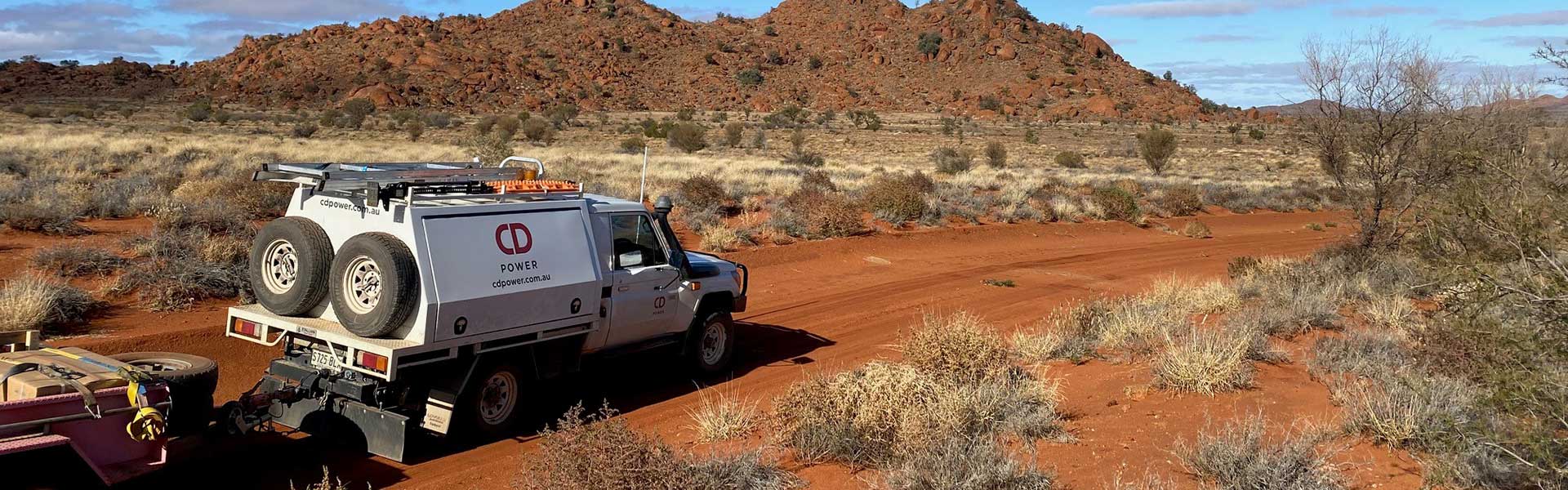
Ensuring reliable power and servicing your assets Australia wide.

Australia-wide team of specialists and experienced electricians and engineers to service our clients.
Business solutions tailored to financially support the evolving energy needs of enterprises.
Yes. Our systems are designed for retrofit and staged deployment, allowing seamless integration with your current electrical infrastructure.
Yes. Exportable runtime, energy, and emissions data can be used for regulatory, ESG, and internal compliance reporting.
A battery energy system stores electricity from solar panels, wind, or the grid, and works alongside your generators to provide reliable, on-demand power. These systems can support critical utility operations such as pumps, processing equipment, lighting, and dewatering systems.
Modern batteries typically last 10-15 years, depending on usage and environmental conditions. Storage capacity varies by system, but batteries can be sized to power critical operations for hours or days, ensuring continuity during generator maintenance, outages, or periods of high demand.
Yes. Many systems are modular, allowing you to add extra batteries or generators as your site’s energy needs grow, such as for additional pumps, processing equipment, or temporary facilities.
Costs vary depending on system size and configuration. Federal or state renewable energy incentives, grants, and financing options may reduce upfront investment. Many systems deliver long-term savings through reduced diesel usage and lower operational costs.
Most systems include an online dashboard, enabling CD Power to remotely monitor energy generation, battery charge, and consumption, ideal for off-site management and planning.
Batteries and generators generally come with a 10-year warranty. Remote support and maintenance are available, and emergency backup advice is provided in the unlikely event that equipment fails at isolated locations.
A combination of multiple power sources, usually solar, battery storage, and generators, working together to provide reliable electricity.
A system of batteries used to store electricity for later use, helping manage demand, provide backup power, and reduce reliance on diesel or grid electricity.
Solar panels that convert sunlight into electricity.
Companies or contractors that manage the design, supply, and installation of energy systems.
A local energy network that can operate independently from the main grid, often using solar, batteries, and generators.
Describes how a site is connected to electricity:
Reducing electricity use during periods of highest demand to lower costs and avoid overloading equipment.
The ability of a system to maintain electricity supply during outages or voltage dips.
The company that originally made the engine, generator, or component.
A unit of energy used to measure electricity consumption or storage capacity.
Types of electrical current, AC is standard grid electricity, DC is used in batteries and solar systems.
CapEx is upfront investment in equipment, OpEx is ongoing operating costs.
Systems designed to expand as demand grows without major redesign.
Secure a Utility Load Review and Receive a Fixed-Cost Commercial Proposal.